
Espresso Beans vs. Coffee Beans: What’s the Difference & Which Should You Buy
If you’ve ever asked yourself whether espresso beans are different from regular coffee beans, you’re in good company. Many people wonder about this when they’re buying coffee for a new espresso machine or picking out beans at the store. At BostonbeaN, we get this question all the time from businesses wanting to improve their office coffee. The answer is actually pretty simple:
Yes, espresso beans and coffee beans are actually the same thing. There’s no special type of bean called an “espresso bean.” What makes them different is how they’re roasted, ground, and brewed. Almost any coffee bean can be used for espresso, but some roasts are made to give you the rich body, balanced flavor, and creamy texture you expect from a good espresso shot.
Knowing this difference helps you pick the right coffee for how you like to brew, whether that’s espresso, drip coffee, French press, cold brew, or pour-over.
What Are Espresso Beans?
Even though they’re called espresso beans, they aren’t a special kind of coffee.
Nearly all coffee begins as the seed inside a coffee cherry. The vast majority of the world’s coffee comes from two species:
- Coffea arabica (Arabica)
- Coffea canephora (Robusta)
What those beans become—espresso, drip coffee, or cold brew—depends on what happens after they’re picked.
After harvesting, green coffee beans are roasted, rested, ground, and brewed. Sometimes, a roaster finds that a certain roast works especially well in an espresso machine. Those beans are then sold as an espresso roast or blend.
The label just tells you how the coffee is meant to be brewed, not that it’s a different bean.
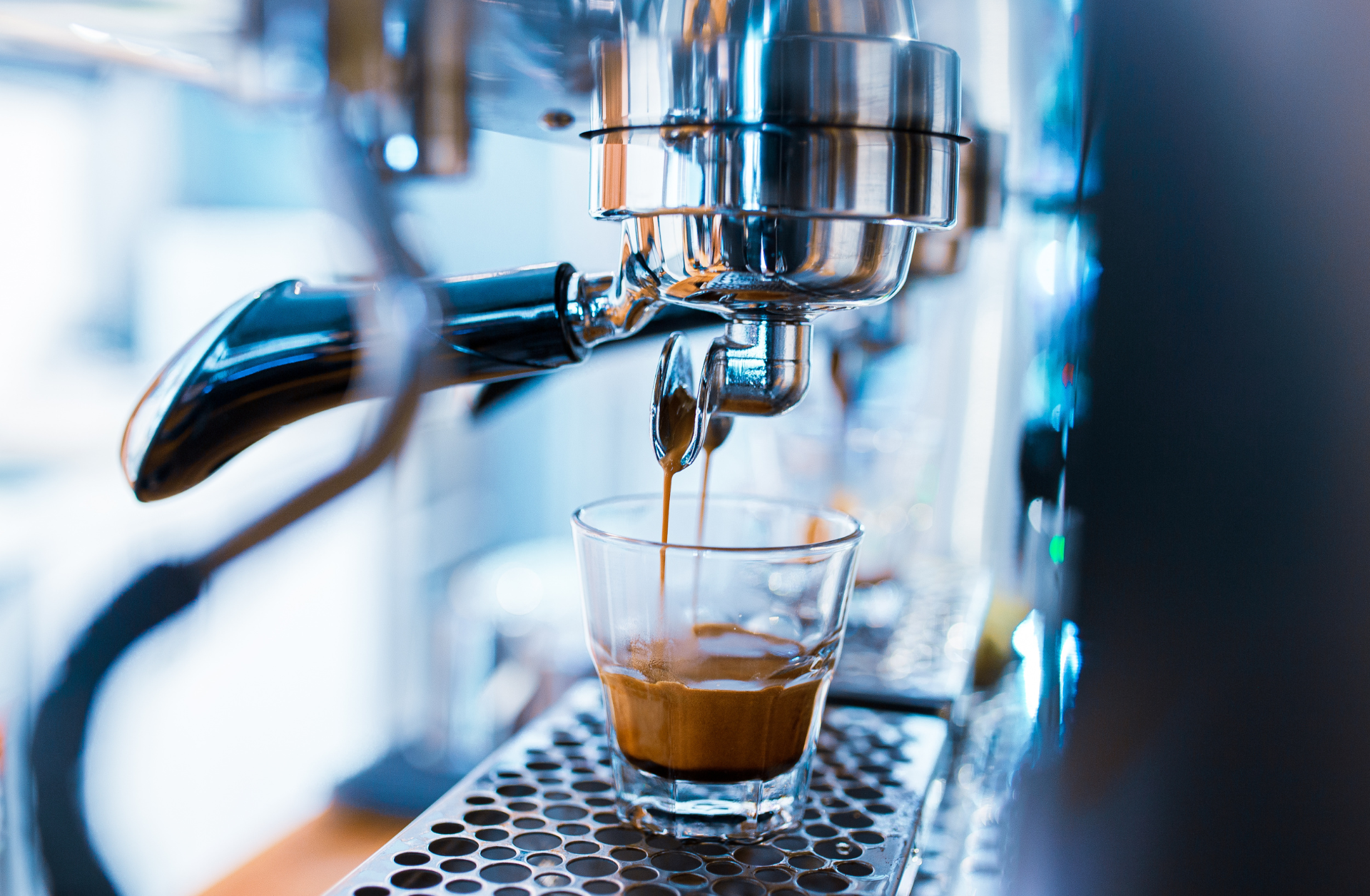
Espresso Beans vs. Coffee Beans: What’s The Difference?
The simplest way to see the differences is to look at them side by side.
- Feature
- Bean species
- Roast profile
- Grind size
- Brewing method
- Flavor
- Crema
- Surface oils
- Acidity
- Can you interchangethem?
- Espresso Beans
- Same coffee beans
- Usually medium-dark to dark
- Very fine
- High-pressure espresso machines
- Bold, concentrated, full-bodied
- Yes
- Often visible
- Typically lower
- Yes
- Coffee Beans
- Same coffee beans
- Light, medium, or dark
- Medium to coarse
- Drip, pour over, French press, cold brew
- Balanced
- No
- Usually minimal
- Often brighter
- Yes
Here’s the main takeaway from the table:
The beans are the same. It’s the roasting and brewing methods that create the flavors you notice.
Why Roast Profile Matters More Than the Bean
When people wonder about the difference between espresso beans and regular coffee, they’re usually picking up on changes that happen during roasting.
Roast profile dramatically changes:
- sweetness
- acidity
- bitterness
- body
- aroma
- texture
Beans roasted for espresso usually stay in the roaster a bit longer, which lets more of their natural sugars caramelize.
This produces flavors like:
- chocolate
- caramel
- toasted nuts
- brown sugar
Darker espresso roasts often develop shiny surface oils, which many people think of as a sign of espresso beans.
On the other hand, lighter roasts keep more of the bean’s original flavors, like citrus, berry, and floral notes that show where the coffee was grown.
Neither style is better than the other; they’re just made for different brewing experiences.
Espresso Is a Brewing Method
Espresso is actually a way of brewing coffee.
Unlike drip coffee, where water slowly moves through the grounds, an espresso machine pushes hot water through finely ground coffee using high pressure.
This pressure changes the extraction process by producing:
- concentrated flavor
- thicker body
- natural crema
- greater intensity
A classic espresso shot takes about 25 to 30 seconds to brew with pressure, while drip coffee takes several minutes and relies on gravity.
The same coffee bean can taste very different depending on how you brew it.
Can You Use Regular Coffee Beans in an Espresso Machine?
Absolutely. Any coffee bean can be brewed as espresso. But you might be surprised by the results.
A light roast designed for pour-over brewing may produce:
- brighter acidity
- fruity flavors
- lighter body
- less crema
Meanwhile, a medium-dark roast intended for espresso often creates:
- fuller body
- chocolate notes
- lower acidity
- richer mouthfeel
That’s why a lot of people choose coffees roasted just for espresso, especially if they like cappuccinos, lattes, or straight espresso shots.
It’s not because the beans are different.
It’s because they’re roasted to work best with pressure brewing.
What Is the Best Coffee Bean for Espresso?
There’s no one-size-fits-all answer, since personal taste matters a lot.
In general:
Medium Roast
Excellent balance between sweetness and brightness.
Ideal for modern specialty espresso.
Medium-Dark Roast
Perhaps the most versatile choice.
Produces chocolate, caramel, and nutty flavors while maintaining good body.
Excellent for milk-based drinks.
Dark Roast
Traditional espresso profile.
Rich, smoky, bold, and lower in perceived acidity.
Popular among people who enjoy classic espresso flavor.
Freshness is just as important as roast type.
Coffee gradually releases carbon dioxide after roasting in a process known as degassing. After a brief resting period, freshly roasted beans generally produce better flavor and richer crema than older coffee.
How Grind Size Affects Espresso
Even the best coffee beans won’t make great espresso if they’re not ground the right way.
Espresso requires an extremely fine, consistent grind because hot water passes through the coffee under pressure in just 25 to 30 seconds. If the grind is too coarse, water flows too quickly and under-extracts the coffee, producing a weak, sour shot. If it’s too fine, the water struggles to pass through the grounds, leading to over-extraction and bitterness.
Different brewing methods require different grind sizes:
- Brew
- Espresso Machine
- Moka Pot
- Pour Over
- Drip Coffee
- French Press
- Cold Brew
- Grind Size
- Very Fine
- Fine
- Medium
- Medium
- Coarse
- Extra Coarse
Choosing the right grind for your brewing method is just as important for flavor as picking the right roast.
Why Fresh Coffee Produces Better Espresso
If you’ve noticed that coffee from your favorite café tastes richer than coffee made from beans that have been sitting around for months, freshness is a big reason why.
Immediately after roasting, coffee begins releasing carbon dioxide in a natural process called degassing. During the first several days, this gas escapes rapidly before slowing over time.
For espresso, this process is especially important.
A small amount of residual carbon dioxide helps produce the golden crema that sits atop a properly extracted espresso shot. Coffee that’s brewed immediately after roasting may contain too much trapped gas, while coffee that’s been sitting for several months has lost much of the carbon dioxide that contributes to crema and aroma.
Freshly roasted coffee keeps more of its natural sweetness, aroma, and complexity, so every cup tastes better.
Arabica vs. Robusta: Does Bean Variety Matter?
Even though espresso beans aren’t a different kind of bean, the variety of coffee does affect the flavor.
The two most common coffee species are Arabica and Robusta.
Arabica
Arabica beans are known for their smooth, balanced flavor and greater complexity. Depending on where they’re grown, they may offer notes of chocolate, citrus, berries, nuts, or flowers. They generally contain less caffeine than Robusta and are the most widely used beans in specialty coffee.
Robusta
Robusta beans have more caffeine and give a stronger, more intense flavor with a heavier body. They’re often added to espresso blends to create a thicker crema and a bolder taste.
Many espresso blends mix both types of beans to make a balanced cup with sweetness, good body, and great crema.
Can You Use Espresso Beans for Regular Coffee?
Yes. You can definitely use beans labeled as espresso in a drip coffee maker, French press, pour-over, or cold brew.
The flavor will just be a bit different.
Because espresso roasts are often slightly darker, brewing them as regular coffee may produce:
- a fuller body
- chocolate-forward flavors
- lower perceived acidity
- a richer finish
Similarly, if you brew a lighter roast meant for drip coffee as espresso, you’ll get a brighter, fruitier shot with more acidity.
There aren’t any strict rules. One of the best things about specialty coffee is trying out different roasts until you find what you like best.
Common Myths About Espresso Beans
There are a few common myths about espresso beans that still confuse people. Here’s what’s true.
Myth: Espresso always contains more caffeine.
Fact: Espresso contains more caffeine per ounce, but because a shot is much smaller than a standard cup of coffee, brewed coffee often contains more total caffeine per serving.
Myth: Only dark roast works for espresso.
Fact: While darker roasts have traditionally been used for espresso, many specialty coffee roasters now offer medium and even light roast espresso options that show the coffee’s natural sweetness and origin characteristics.
Myth: Espresso beans can’t be used in a drip coffee maker.
Fact: Any coffee bean can be brewed using virtually any brewing method. The resulting flavor profile simply changes depending on the roast, grind, and extraction.
Myth: Oily beans mean better coffee.
Fact: Surface oils are usually the result of a darker roast, not necessarily higher quality. In fact, very oily beans may not be ideal for some fully automatic espresso machines because oils can gradually build up inside grinders and brewing components.
How to Choose the Right Coffee Beans
Picking out coffee doesn’t have to be hard. Just think about how you like to brew your coffee and what flavors you enjoy.
If you mostly make espresso or milk-based drinks, try a medium or medium-dark roast with chocolate, caramel, and nutty flavors. These coffees go well with steamed milk and still have enough body for a great espresso shot. Enjoy drip coffee, pour over, or French press, don’t be afraid to explore lighter or medium roasts.
No matter which roast you pick, buying freshly roasted whole beans and grinding them right before brewing usually gives you the best flavor.
Why Fresh Coffee Matters in the Workplace
Whether your team likes espresso, drip coffee, or specialty drinks, serving fresh, high-quality coffee makes the experience better for everyone.
A well-stocked coffee station helps employees take real breaks, connect with coworkers, and stay energized all day. Whether you use bean-to-cup systems, espresso machines, or a premium office coffee program, picking the right coffee can really boost workplace satisfaction.
At BostonbeaN, we work with businesses to create custom coffee programs that fit their team’s tastes — whether that’s rich espresso drinks, fresh coffee, or both. Contact us to learn more about how we can supply your office.

