
Black Coffee And Calories: What to Know Before Your Next Cup
If you’re counting calories, trying to lose weight or following intermittent fasting, you may be curious, “Does black coffee have no calories?”
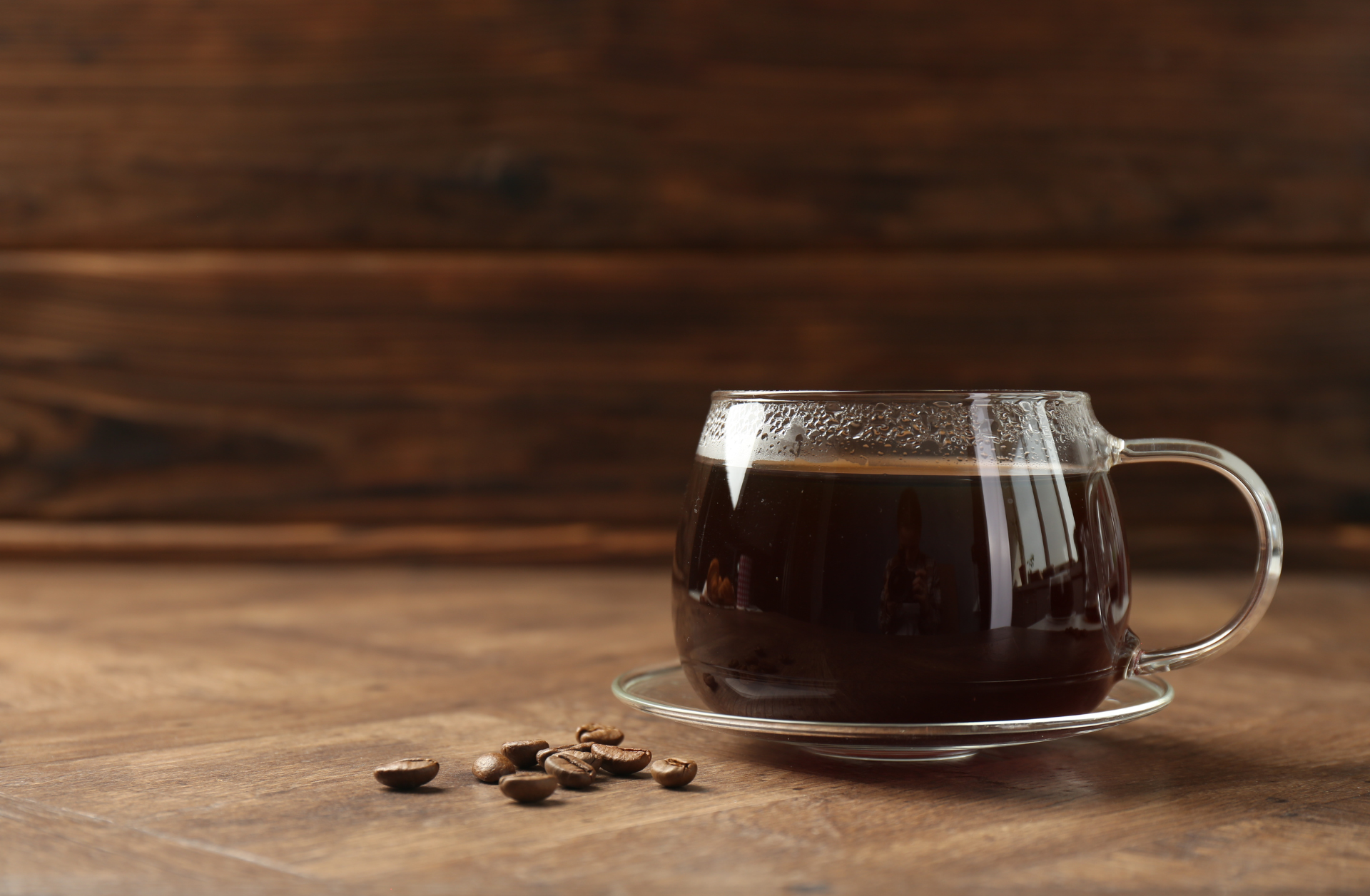
The answer is: not many. That’s one reason black coffee is a popular choice for people trying to lose weight. An 8-ounce cup of plain black coffee has about 2 calories and almost no fat, carbs or sugar. These small calories come from natural compounds in the coffee beans.
At BostonbeaN, we understand that what you add to your coffee can have a bigger impact on nutrition than the coffee itself. Milk, creamers, sugar, flavored syrups and other extras can quickly turn a nearly calorie-free cup into a much higher-calorie drink.
Does Black Coffee Break a Fast?
For most people who follow a typical intermittent fasting schedule, like a 16:8 window, plain black coffee is usually fine because it has so few calories.
However, fasting is different for everyone. If you’re doing a strict water fast or fasting for medical reasons, your guidelines may be different. People also react to caffeine in their own ways, so if you’re fasting under medical supervision, follow your healthcare provider’s advice.
What Adds Calories to Coffee?
Black coffee adds almost no calories to your day. The calorie count increases when you add milk, sugar, cream or syrups.
Common additions include:
- Milk, half-and-half and creamer
- Granulated sugar, raw honey, maple syrup and agave
- Flavored syrups
- Oat, almond and other plant-based milks
- Whipped toppings
- Butter, coconut oil and MCT oil
If you’re watching your calories, it’s better to measure what you add rather than eyeball it. Even a few teaspoons of sugar or several pumps of syrup during the day can really add up.
Quick Guide: How Many Calories Are in Different Types of Black Coffee?
The way you brew your coffee can slightly change how much of the coffee’s oils and solids end up in your cup, but plain coffee still stays very low in calories.
- Black Coffee Type
- Espresso
- Brewed black coffee
- Brewed black coffee
- Brewed black coffee
- French press
- Cold brew
- Instant black coffee
- Typical serving
- 1 oz.
- 8 oz.
- 12 oz.
- 16 oz.
- 8 oz.
- 8 oz.
- 8 oz.
- Approx. Calories
- 2–3
- 2
- 3
- 4–5
- 2–3
- 2–5*
- About 2
*Cold brew recipes and concentrations vary, so nutrition information for a specific product is the best reference.
Why Isn’t Black Coffee Exactly Zero Calories?
Coffee is mostly water, but brewing pulls out small amounts of natural compounds from the roasted beans. These dissolved solids include tiny amounts of proteins, oils, minerals and other substances.
That’s why black coffee has a tiny amount of calories, even though it’s not completely calorie-free. An 8-ounce cup also gives you small amounts of nutrients like niacin and potassium.
Calorie Care: Black Coffee vs. Popular Coffee Drinks
When you add milk, cream, chocolate or flavored syrups, the number of calories in your coffee can add up.
- Black coffee and espresso are usually the lowest in calories.
- A cappuccino has more calories because of the milk, and a latte has even more milk.
- Mochas, frappes and flavored lattes can have a lot more calories since they often mix milk with sugar, syrups, chocolate or toppings.
That doesn’t mean you need to stop enjoying specialty drinks. If you care about calories, pay attention to the size and what’s in your drink instead of thinking all coffee drinks are the same.
Is Black Coffee Good for Weight Loss?
Black coffee is easy to include in a calorie-conscious diet because it gives you flavor and caffeine with very few calories. Swapping a high-calorie drink for plain coffee can help you cut down on your total calories.
Caffeine can make you feel more alert for a while and may slightly boost your metabolism and fat burning. Still, coffee isn’t a quick fix for weight loss. Managing your weight over time depends on your whole diet, activity, sleep and other personal factors. Research shows coffee might help a little with weight management, but it shouldn’t be your only strategy.
Does Black Coffee Have Health Benefits?
Coffee has caffeine and natural plant compounds like polyphenols. Some research links coffee to possible health benefits, but results can vary from person to person and more studies are needed for some effects.
Caffeinated coffee can help you stay alert and focused, which is one reason coffee breaks are so common at work.
But more isn’t always better. Too much caffeine can cause sleep problems, anxiety, a faster heart rate, stomach issues, headaches or nausea. Most healthy adults should keep caffeine under about 400 mg per day, but everyone’s needs are different.
Delicious Low-Calorie Ways to Flavor Your Black Coffee
Not everyone likes their coffee totally black. Luckily, you can add some variety without making every cup taste like dessert.
You could try adding:
- Cinnamon
- A little unsweetened cocoa powder
- Vanilla extract
- A splash of unsweetened plant milk
- Sugar-free syrups but check the nutrition label and use them as you like
Common Myths About Black Coffee Calories
Myth: Black coffee has absolutely zero calories.
Plain black coffee is very low in calories, but it’s not completely calorie-free. A regular cup has about 2 calories, making black coffee a top choice for people trying to loss weight.
Myth: Espresso has far more calories than brewed coffee.
Espresso is strong, but because the serving is small, it still has very few calories.
Myth: Dark roast is lower in calories.
The roast level affects the flavor and how your coffee brews much more than it changes the calorie count.
Myth: A little creamer doesn’t count.
Creamers, milk and sweeteners can have a lot more calories than the coffee itself. How much you use matters, especially if you drink several cups a day.
Better Coffee for the Office
At work, offering choices can make the coffee station better for everyone. Some people like their coffee black, while others want espresso, cold brew, milk alternatives, creamers or custom drinks.
BostonbeaN helps businesses set up office coffee and breakroom programs for all kinds of preferences, from brewing equipment and espresso to cold brew and full beverage solutions. With a well-stocked setup, employees can make the coffee they like without leaving the office.
Bring Better Coffee to Your Workplace
Contact BostonbeaN to find out how to create the best office coffee experience for your team.
Black Coffee FAQs: What You Need to Know About Calories
How do I log a cup of coffee accurately in my fitness app?
For an 8-ounce cup of plain black coffee, logging about 2 calories is a good starting point. Be sure to choose plain black coffee in your app and log any milk, cream, sugar or flavorings separately.
Will drinking black coffee break my intermittent fast and ruin my progress?
Plain black coffee is usually fine for most types of intermittent fasting because it has so few calories. If you’re on a strict or medically supervised fasting plan, follow the specific advice for your program.
Is switching from lattes to black coffee worth it?
Is switching from lattes to black coffee worth it?
Which coffee brewing method has the fewest calories?
Plain drip, pour-over, French press, espresso, cold brew and instant coffee are all very low in calories. The real difference comes from what you add, not how you brew it.
Can black coffee raise blood sugar?
Black coffee has almost no carbs or sugar, but people can react differently to caffeine. If you’re managing diabetes or another blood sugar issue, follow your doctor’s advice.
Is cold brew higher in calories than regular coffee?
Not always. Plain cold brew is still very low in calories. Since concentration and preparation can differ, check the nutrition info for ready-to-drink products, and remember that milk, sweeteners, and flavored cold foam can add a lot of calories.
Why does coffee shop black coffee sometimes taste sweeter than mine at home?
Coffee has natural flavor compounds that can make it taste sweet even without sugar. Things like bean freshness, roast, grind size, water quality, brewing temperature and extraction all affect how sweet, bitter, acidic or smooth your coffee tastes.

